
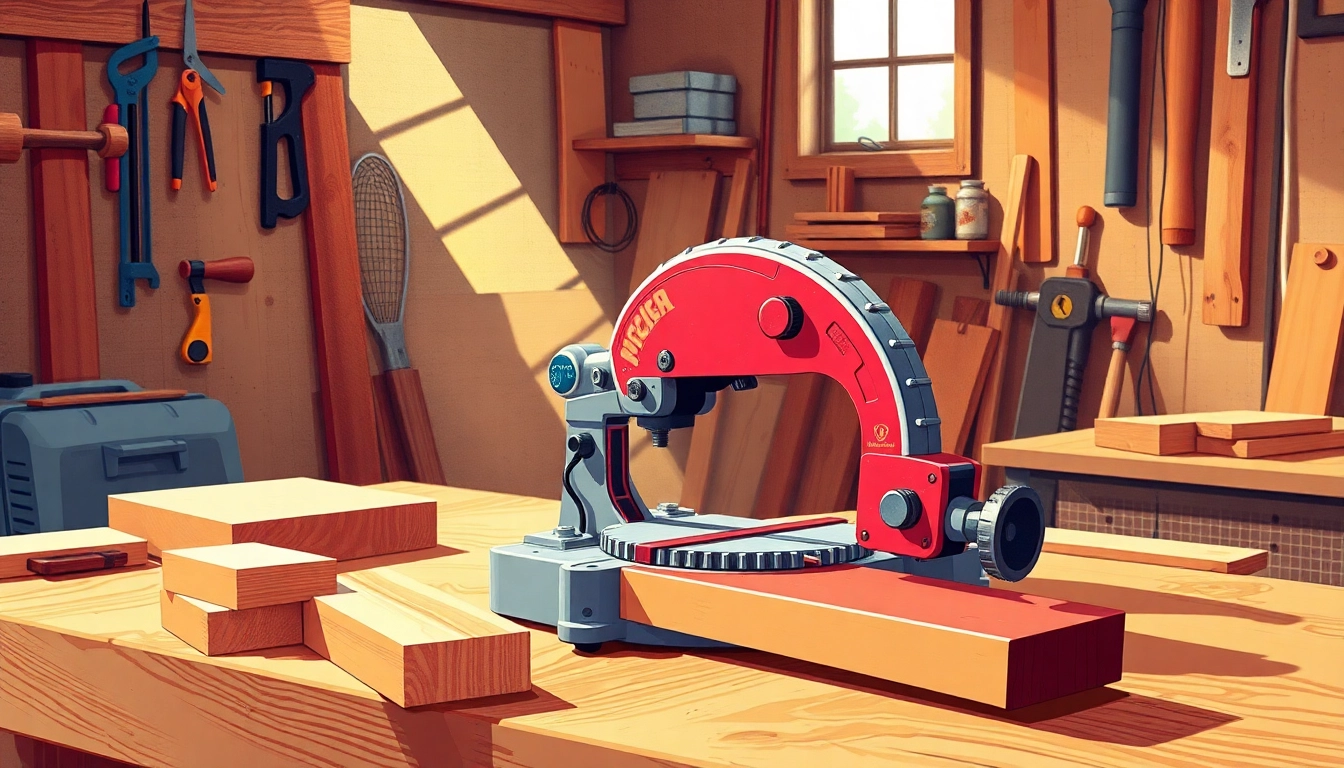
Understanding the Hand Miter Saw Basics
What is a Hand Miter Saw?
The hand miter saw is a fundamental tool in the world of woodworking, beloved by both hobbyists and professional carpenters. Unlike its powered counterparts, the hand miter saw operates manually, allowing precise control over every cut. It consists of a saw mounted on a pivoting arm that can be set to various angles, affording the user the ability to make accurate crosscuts and angled cuts in wood. This saw is especially useful for creating joints in frame construction, molding, and other intricate woodwork.
Hand miter saws are distinguished by their versatility and portability, making them ideal for both in-shop and on-site projects. Mastering the use of a hand miter saw not only enhances the quality of work but also promotes safety and efficiency among woodworkers.
Key Features and Components of Hand Miter Saw
A hand miter saw comprises several key components that contribute to its functionality and precision. Understanding these features is essential for maximizing the tool’s capabilities:
- Saw Blade: Typically made of high-carbon steel, the blade is designed to create clean cuts in various types of wood. An appropriate blade selection is crucial depending on the material and the type of cut.
- Miter Box: This is the rectangular frame that holds the workpiece securely and allows for angled cuts at defined miter angles (commonly 45 and 90 degrees).
- Handle: The handle provides a firm grip for the user while cutting, ensuring control and reducing fatigue.
These features enhance accuracy, allowing the user to set precise angles for cuts. - Clamps: Some hand miter saws come with clamps to secure the wood piece during the cutting process, offering additional stability.
How to Select the Right Hand Miter Saw for Your Needs
Choosing the right hand miter saw can significantly influence the quality and ease of your work. When selecting a saw, consider the following factors:
- Material: Look for saws made of durable materials, such as high-carbon steel or hardened stainless steel, which resist wear and provide longevity.
- Blade Type: Different projects may require various blade types; for instance, a fine-tooth blade is ideal for delicate wood, while a coarse blade can tackle harder materials.
- Size and Portability: Consider the size and weight of the miter saw, ensuring it fits your workspace and is easily transportable if needed.
- Angle Adjustability: Make sure the miter saw allows for easy adjustments for multiple angles, increasing its versatility in various projects.
Essential Techniques for Using Hand Miter Saw
Setting Up Your Work Area for Hand Miter Saw Safety
Creating a safe and efficient workspace is crucial when using a hand miter saw. First, ensure that your workspace is clean, organized, and well-lit. Next, set the hand miter saw on a stable surface, ensuring it will not move during use. Using clamps, secure the workpiece firmly in the miter box to prevent any movement while cutting. Additionally, always wear appropriate safety gear, including safety glasses and gloves, to protect yourself from saw dust and splinters.
Basic Cutting Techniques with Hand Miter Saw
To make the most of your hand miter saw, familiarize yourself with these essential cutting techniques:
- Crosscuts: Used to cut across the grain of the wood, ensure the saw blade is set to the proper angle and cut slowly for a clean edge.
- Miter Cuts: Set the saw to the desired angle (e.g., 45 degrees) to create corners or joints for frames. Hold the workpiece securely and make the cut steadily.
- Bevel Cuts: Adjust the saw’s pivot arm to create beveled edges. These cuts can add a flair to your projects and enhance the finished look.
Advanced Cuts You Can Make with Hand Miter Saw
Once you’ve mastered the basic techniques, consider trying these advanced cuts:
- Crown Molding Cuts: Creating compound miter cuts for crown molding requires adjusting both the angle and bevel of the saw. This adds significant aesthetic value to your woodworking projects.
- Compound Angles: For projects requiring multi-dimensional angles, understand how to adjust your miter saw for accurate compound cuts—this is essential in high-end cabinetry and furniture making.
- Joinery Cuts: Perfecting joinery cuts, such as those needed for woodworking joints, can enhance durability and stability in your constructions.
Maintenance and Care for Hand Miter Saw
Routine Maintenance Tips for Hand Miter Saw
Regular maintenance of your hand miter saw is essential for optimal performance and longevity. Here are some tips:
- Keep It Clean: After each use, wipe down the blade and body of the saw to prevent resin buildup and rust.
- Inspecting the Blade: Regularly check the blade for signs of wear and replace it if necessary to maintain cutting efficiency.
- Storage: Store your hand miter saw in a dry place to avoid moisture and damage, ideally in a protective case.
How to Clean and Oil Your Hand Miter Saw
To prolong the life of your hand miter saw, routine cleaning and proper lubrication are vital:
- Cleaning: Use a soft brush and cloth to remove dust and debris from the blade and miter box. If resin buildup occurs, specialty cleaners can help restore the blade.
- Oiling: Apply a few drops of machine oil to pivot points and any moving parts, keeping the saw operating smoothly. Be careful not to get oil on the blade.
Identifying and Troubleshooting Common Hand Miter Saw Issues
As with any tool, users may encounter issues with their hand miter saw. Here are common problems and potential troubleshooting tips:
- Uneven Cuts: If the cuts are not straight, check that the blade is clean and properly aligned. Also, ensure that the miter box is level.
- Sticking Blade: A sticking or binding blade may indicate that it is dull or dirty. Resharpen the blade or replace it as needed.
- Loose Components: Regularly check screws and bolts to ensure they are tight. A loose component can affect performance and accuracy.
Projects to Try with Hand Miter Saw
Simple DIY Projects for Beginners Using Hand Miter Saw
If you’re new to woodworking, start with simple DIY projects to build your skills. Here are a few ideas:
- Picture Frames: Create custom frames using basic miter cuts to join corners together. This project will teach you accurate angle cutting and joinery.
- Shelves: Design floating shelves using your hand miter saw for precise cuts, providing practical storage space while showcasing your craftsmanship.
- Wooden Boxes: Build small storage boxes with lid components that require precise crosscuts and angled joints, enhancing both utility and aesthetics.
Intermediate Woodworking Projects with Hand Miter Saw
Once you’ve mastered the basics, challenge yourself with intermediate projects:
- Furniture Construction: Build small furniture pieces such as stools or side tables, incorporating more complex cuts and joinery techniques.
- Crown Molding Installation: Practice making compound cuts by installing crown molding in your home, a project that can significantly enhance any room’s decor.
- Wooden Planters: Create decorative planters for your home or garden, requiring multiple miter cuts for stylish corners and a finished look.
Expert-Level Designs You Can Achieve with Hand Miter Saw
As your skills grow, you can attempt more intricate projects, such as:
- Custom Cabinets: Build complete cabinetry that involves utilizing numerous advanced techniques, angles, and precision cuts to achieve professional results.
- Intricate Wooden Models: Craft detailed models or miniature furniture pieces, showcasing your skill with complex angles and precision techniques.
- Outdoor Decks: Take on deck-building projects, allowing you to apply your knowledge of precision cutting and compound angles in a significant way.
Evaluating Performance Metrics of Hand Miter Saw
What to Look for in Hand Miter Saw Performance
When evaluating the performance of a hand miter saw, consider several critical metrics: blade sharpness, cut quality, and ease of angle adjustments are paramount. The ability to maintain precise angles will determine the overall quality of your cuts, which is particularly important in professional settings.
How to Measure Accuracy and Precision with Hand Miter Saw
To ensure the accuracy of your cuts, check the calibration of the miter box and regularly test the precision of your angles. Use a square and calipers to confirm the angles against a known standard, ensuring that they remain true over time. This diligent measurement will significantly reduce material waste and improve the quality of your finished pieces.
Cost-Effectiveness and Value of Hand Miter Saw Tools
Investing in a hand miter saw can be a cost-effective choice for individuals who plan to undertake regular woodworking projects. While powered options exist, a hand miter saw often provides more versatility for intricate tasks and detailed cuts, offering great value for the cost. Users should evaluate their project needs and consider the long-term benefits of this indispensable tool.
For anyone interested in learning more about the tools and techniques surrounding woodworking, visiting resources like hand miter saw can provide valuable insights and selection choices for their next project. Mastery of this tool can lead to beautifully crafted works that enhance both skill and satisfaction in woodworking.
As you delve deeper into your woodworking journey, make sure to explore quality resources and shops that offer specialized tools and materials. A reputable resource like Mistrer Worker can guide you in finding the right hand miter saw and other essential equipment to elevate your craft.