Understanding Event Videography Basics
Defining Event Videography
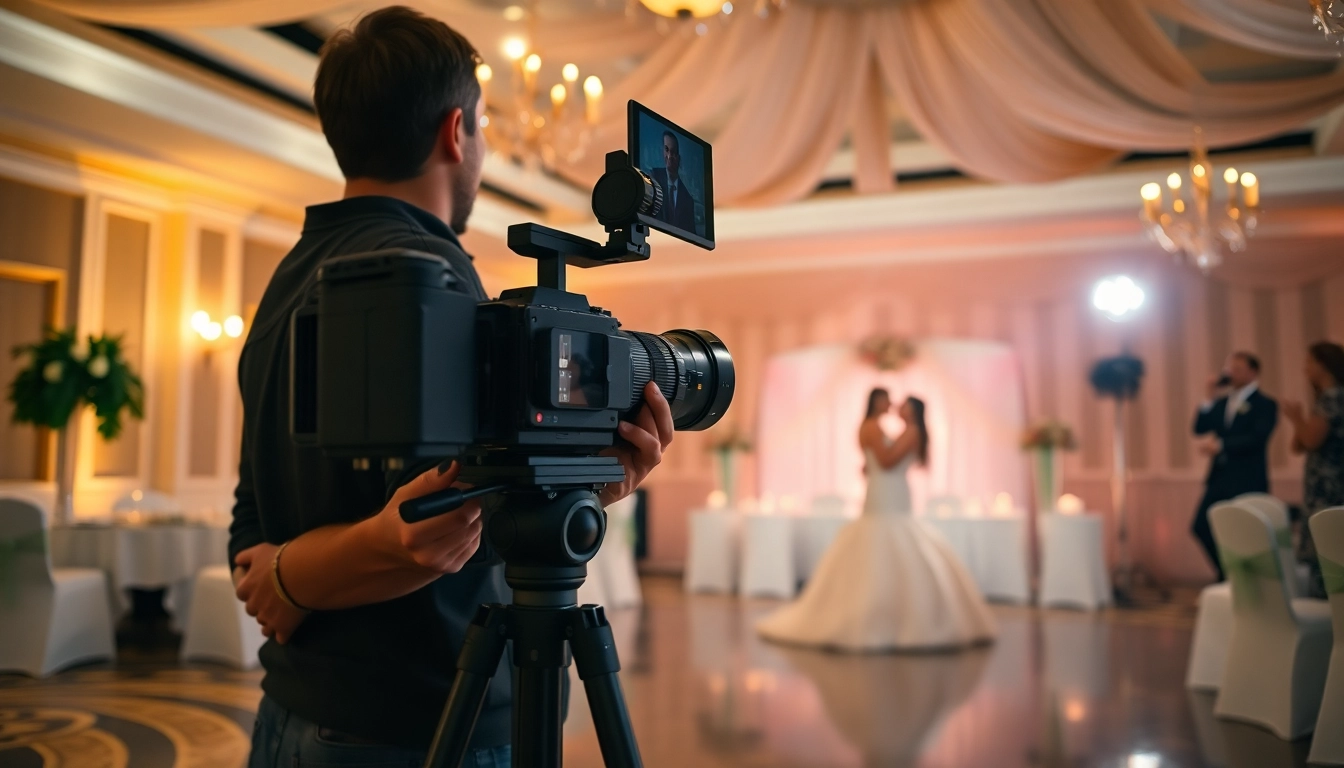
Event videography is a specialized form of video production that focuses on capturing live events such as weddings, corporate gatherings, concerts, and parties. Unlike traditional filmmaking, which may involve scripted scenes and controlled environments, event videography requires the ability to capture spontaneous moments while ensuring high production quality. The goal is to create an engaging and polished video that tells the story of the event, highlighting key moments and emotions.
Importance of Event Videography in Celebrations
In today’s digital age, the significance of Event videography cannot be overstated. It plays a vital role in preserving memories for clients and allowing them to relive their special moments. Captured events can become cherished keepsakes that families and organizations treasure for years. Furthermore, with social media platforms allowing easy sharing, event videography can help amplify the reach of events, garnering appreciation from a wider audience.
Key Equipment for Event Videography
The foundation of successful event videography lies in the right equipment. Essential tools include high-definition cameras, tripods, stabilizers, and external microphones. A quality camera not only captures better image quality but also performs well in low-light environments often found at events. Additionally, stabilizers help reduce shakes during handheld shooting, resulting in smoother video footage. Good audio equipment ensures that interviews and speeches are captured clearly, making the event more accessible for viewers.
Planning Your Event Videography Workflow
Pre-event Consultation with Clients
Engaging with clients before the event is crucial for understanding their vision, preferences, and objectives. Pre-event consultations should cover important details such as the event schedule, key moments to capture, and specific shots the client desires. This collaborative approach helps align expectations and fosters a stronger relationship between the videographer and the client, leading to better overall results.
Creating a Shot List for Effective Coverage
A well-prepared shot list can significantly enhance the efficiency of event videography. It serves as a roadmap for the day, helping videographers prioritize essential moments like the couple’s first dance at a wedding or guest speeches at a corporate event. By mapping out key shots, videographers can ensure they don’t miss critical moments, leading to a more comprehensively documented event.
Logistics and Timing Considerations
Effective planning also involves understanding the logistics and timing of the event. Videographers should arrive early to set up equipment and conduct tests, ensuring everything operates smoothly when the event starts. Keeping an eye on the schedule and communicating with event coordinators allows videographers to adapt and reposition themselves as necessary to capture various facets of the event without disruption.
Techniques for Capturing Amazing Event Videography
Framing and Composition Tips
Framing and composition are critical in videography, directly affecting how the audience perceives the captured moments. Utilizing techniques such as the rule of thirds can create engaging visuals, drawing attention to important subjects. Additionally, varying angles and perspectives helps maintain viewer interest, while zooming and panning can add dynamic movement to the footage.
Effective Use of Lighting in Event Videography
Lighting plays a pivotal role in videography quality. Natural light is preferred for outdoor events, while indoor venues may require artificial lighting to enhance visibility. Understanding how to manipulate light sources, whether using reflectors or diffusers, enhances the quality of the video. It’s crucial to adapt to changing light conditions and make adjustments on-the-fly for the best possible results.
Sound Design and Integration for Impact
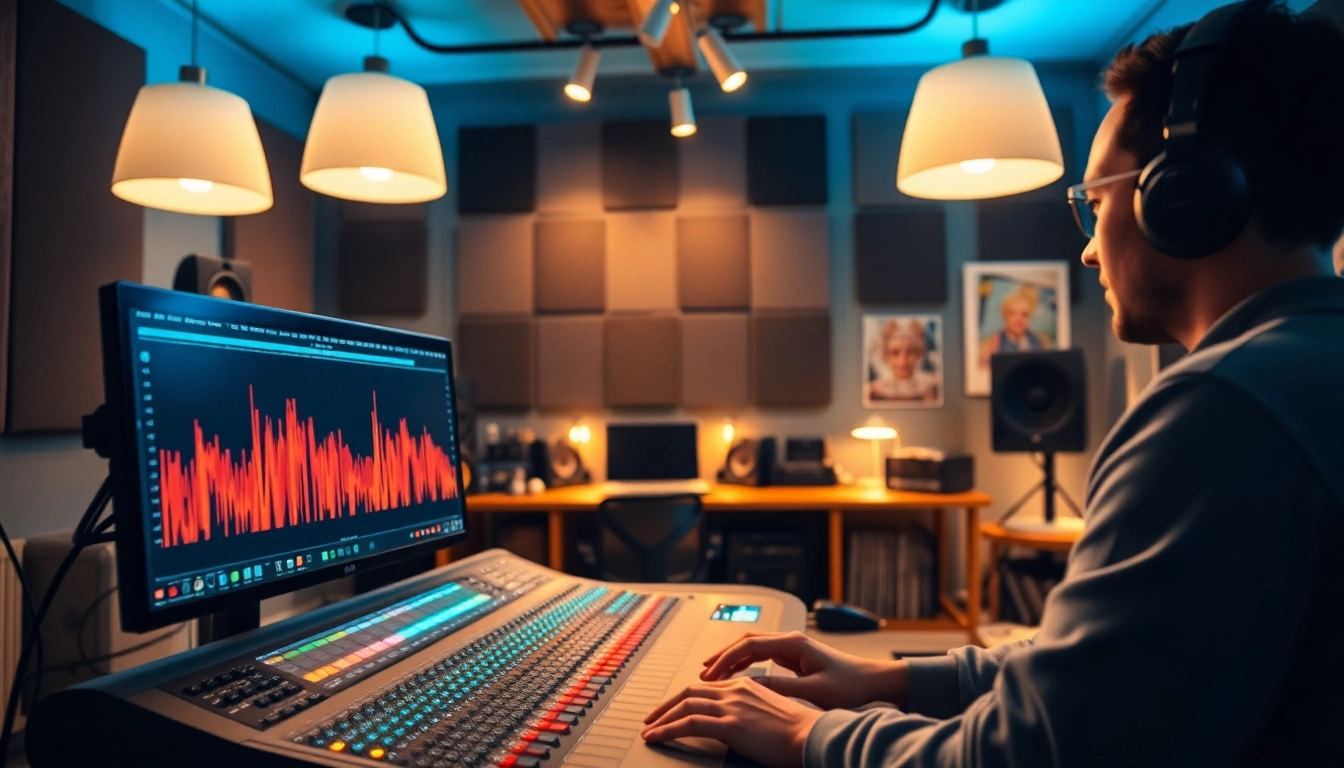
Sound quality can dramatically enhance the emotional impact of an event video. Capturing clear audio is paramount, especially for speeches or vows. Incorporating background music that matches the event’s tone can evoke emotions, engaging viewers more effectively. Effective sound design involves mixing dialogue, ambient sounds, and music for a well-rounded auditory experience.
Editing and Post-Production Strategies
Choosing the Right Editing Software
Selecting suitable editing software is crucial for the post-production phase. Popular options include Adobe Premiere Pro, Final Cut Pro, and DaVinci Resolve. Each provides unique features that can enhance the editing process, such as color grading, audio refinement, and effects. Understanding the strengths and weaknesses of each tool can help videographers choose what best meets their needs.
Creating a Satisfying Narrative Flow
A good event video tells a story. In the editing process, it’s essential to structure the footage to create a satisfying narrative flow. Begin with an engaging introduction, build momentum with pivotal highlights, and conclude with a compelling wrap-up that encapsulates the event’s essence. This narrative approach keeps viewers invested from start to finish.
Color Grading and Sound Mixing Essentials
Color grading enhances the visual aesthetics of footage, making it more inviting and cohesive. Learning how to adjust colors, contrast, and brightness can significantly elevate the production quality. Likewise, sound mixing ensures a balanced auditory experience, blending dialogue, ambient sounds, and music tracks seamlessly to create a professional-sounding final product.
Measuring Success in Event Videography
Collecting Client Feedback
Post-event, it’s invaluable to gather feedback from clients to understand their satisfaction levels. Feedback can highlight areas for improvement and affirm successful aspects of the videography process. Sending out surveys or conducting follow-up interviews provide insights that can refine future practices and help maintain client relationships.
Analyzing Audience Engagement Metrics
In an era focused on digital content, analyzing audience engagement metrics can provide critical insights into the video’s effectiveness. Metrics such as views, shares, and comments can indicate how well the content resonates with viewers. Understanding these metrics allows videographers to adapt their approaches for future projects to align with audience preferences better.
Continuing Education and Skill Development
The world of videography is continually evolving, with new techniques, technologies, and trends emerging regularly. Engaging in continuous education through workshops, online courses, and industry conferences can help videographers stay updated and enhance their skills. Investing time in refining techniques will lead to improved quality and creativity in capturing events.
FAQs about Event Videography
What should I look for in an event videographer?
Look for experience, a strong portfolio, and good communication skills. It’s essential that the videographer understands your vision and can capture key moments effectively.
How long does it take to receive the final video?
Typically, it takes between 4 to 8 weeks to receive the final video, depending on the complexity of the event and the editing involved.
Can I choose the music for my event video?
Yes, clients often have input on the music selection. It’s essential to ensure that the chosen tracks have appropriate licensing for use in videos.
What type of events do videographers cover?
Videographers cover a wide range of events including weddings, corporate events, parties, and conferences, ensuring that each moment is captured beautifully.
Do I need to provide a shot list?
While it’s not mandatory, providing a shot list is highly beneficial. It helps ensure the videographer captures all the moments that are important to you.