Introduction to the Sandakphu Trek
The sandakphu trek is an emblem of Himalayan trekking that attracts adventurers and nature enthusiasts alike. Nestled at the heights of West Bengal, this trek is famed for offering panoramic vistas of the world’s highest peaks, including Mount Everest and Kanchenjunga. The trek’s unique combination of breathtaking landscapes, rich biodiversity, and cultural encounters makes it an unforgettable experience for trekkers of all skill levels. In this guide, we will explore the essence of the Sandakphu trek, provide essential planning tips, and delve into the numerous beauty and challenges it offers.
What Makes the Sandakphu Trek Unique?
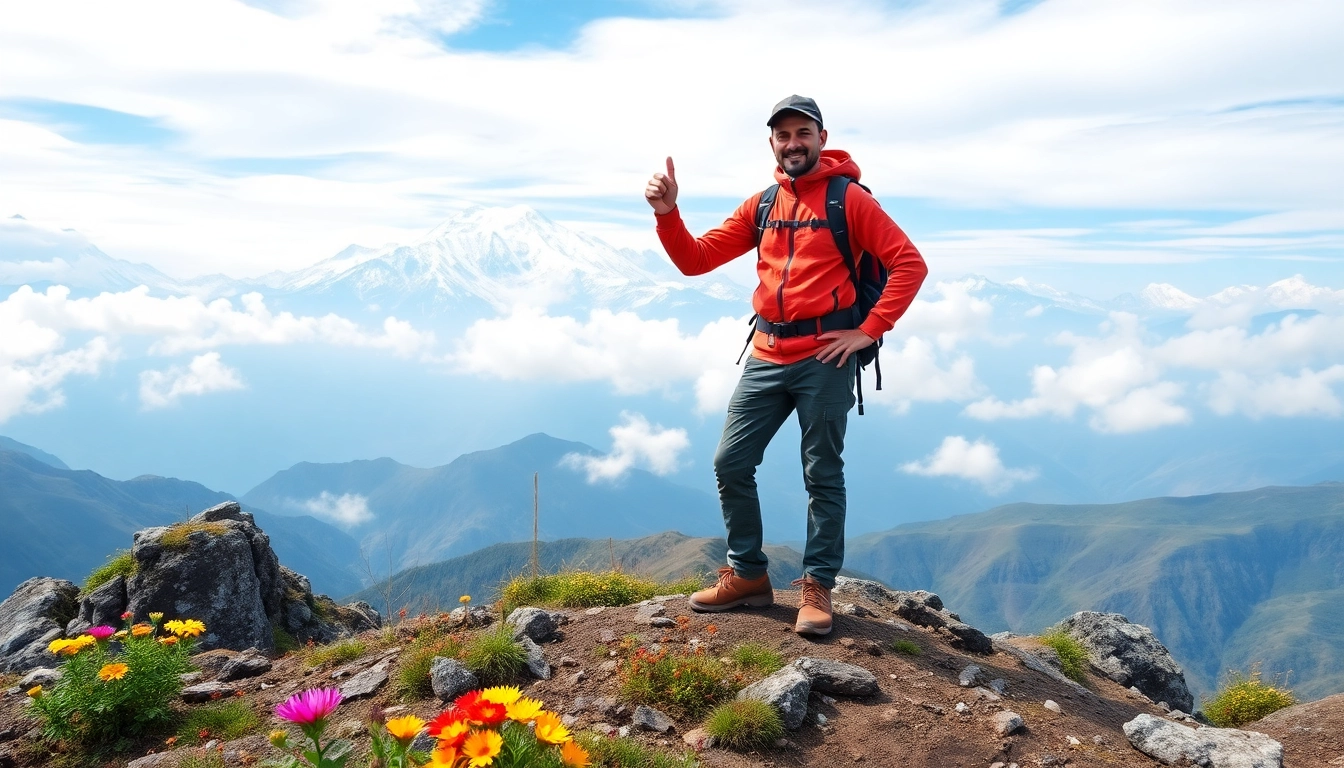
One of the defining characteristics of the Sandakphu trek is its unparalleled opportunity to witness four of the world’s five highest peaks. Reaching an elevation of 12,000 feet, trekkers are rewarded with stunning views that include not only Mount Everest and Kanchenjunga but also Lhotse and Makalu. The trek is additionally unique due to its geographical positioning straddling the India-Nepal border, allowing trekkers to experience a combination of rich cultural influences.
The diverse terrain varies from gentle slopes to steep ascents, making it a dynamic experience for trekkers. This trek offers a respite from the bustling crowds found in other popular trekking routes, allowing participants to immerse themselves in the serene wilderness that characterizes the region. Lastly, the rich wildlife and flora present along the trek add an extra layer of adventure, making the Sandakphu trek both a scenic and an educational journey.
Best Seasons for the Sandakphu Trek
Timing your trek can significantly enhance your experience. The best seasons for the Sandakphu trek are typically during spring (March-April) and autumn (October-November). During these months, the weather is moderate with clear skies, providing optimal visibility of the majestic peaks.
Spring not only offers blooming rhododendrons along the trail, adding splashes of color to the scenery, but also features mild temperatures. Autumn, on the other hand, is marked by crisp air and stunning views as the skies are generally clearer due to the drying out from monsoon rains. However, trekkers should be wary of winter (December-February), which can bring heavy snowfall and uncomfortable cold, making the trek more challenging.
Location and Route Overview
The Sandakphu trek commences from the small town of Manebhajan, situated in West Bengal. The route usually spans around 50 to 60 kilometers (depending on the chosen itinerary) and can take approximately 6 to 7 days to complete. The trail winds through lush forests, charming villages, and rugged terrain, leading up to the summit at Sandakphu.
The standard route involves ascending through dense bamboo and fir forests, where trekkers are often greeted by the sound of chirping birds and rustling leaves. The picturesque villages along the path, such as Tumling and Kalapokhri, offer trekkers a glimpse into the local life and are perfect for settling down for the night. This variety in landscapes ensures that every segment of the trek feels fresh and invigorating.
Planning Your Sandakphu Trek
Essential Gear for the Sandakphu Trek
Proper gear can make all the difference when embarking on an adventurous trek like Sandakphu. Essential items include:
- Sturdy trekking boots to navigate the varied terrain comfortably.
- Weather-appropriate clothing, including moisture-wicking shirts, thermal layers, and waterproof jackets.
- A quality sleeping bag rated for colder temperatures, as nights can get quite chilly.
- A daypack carrying essentials such as snacks, water, first aid supplies, and a headlamp.
- Sun protection gear, including sunglasses and a wide-brimmed hat, as the sun can be intense at high altitudes.
It is also advisable to carry a trekking pole to help with stability and balance, especially during steep descents. Be sure to evaluate your gear based on the season in which you choose to trek, as conditions can change dramatically.
Permits and Regulations
Before setting out on the Sandakphu trek, trekkers must secure the necessary permits. The trek requires a Forest Entry Permit and a Singalila National Park Permit. These permits can typically be obtained from the Manebhajan check post or through local trekking agencies. Additionally, it’s advisable to register with local authorities for safety purposes.
Being aware of regulations and respecting the local culture is essential. The region is home to various communities, and trekkers should adhere to guidelines that promote sustainable tourism practices, such as minimizing waste and respecting local customs.
Choosing the Right Itinerary
While the standard itinerary typically features a 6-day trek, those looking for a more leisurely experience may opt for extended itineraries that include additional acclimatization days. A sample itinerary for a 6-day trek includes:
- Day 1: Manebhajan to Tumling
- Day 2: Tumling to Kalapokhri
- Day 3: Kalapokhri to Sandakphu
- Day 4: Sandakphu to Phalut
- Day 5: Phalut to Ramam
- Day 6: Ramam to Manebhajan
This itinerary balances challenging ascents and descents with time for relaxation and exploration. Customizing your trek based on physical fitness and preferences is always an option. For example, detours to nearby scenic spots can be integrated into your journey for a broader experience.
Experiencing the Beauty of the Sandakphu Trek
Scenic Highlights Along the Sandakphu Trek
Every step along the Sandakphu trek reveals breathtaking views that are both breathtaking and spiritually uplifting. Key highlights include:
- The majestic sunrise at Sandakphu, where the first rays of sun illuminate Everest and Kanchenjunga, creating a magical spectacle.
- The lush landscapes transitioning from dense forests to alpine meadows bursting with wildflowers during spring.
- Glacial lakes like Kalapokhri, known for their serene beauty and calm reflection of the surrounding mountains.
Photographers and nature lovers will find ample opportunities for capturing the rugged beauty and vibrant colors throughout the trek, making it a photographer’s paradise. Ensure your camera is ready to document these unforgettable moments.
Wildlife and Flora of the Sandakphu Region
The Sandakphu region boasts an extraordinary variety of flora and fauna. Trekkers might encounter diverse wildlife, including:
- Red pandas, considered a symbol of the region.
- Himalayan black bears, which are occasionally spotted in the forests.
- A wide array of bird species, making it a haven for birdwatchers.
The flora is equally captivating, with rhododendron and magnolia trees dotting the landscape, especially in spring when they bloom. Understanding the ecosystem will enhance your appreciation for the beauty surrounding you.
Local Culture and Encountering the Community
As you trek through the villages, you’ll find the local communities accommodating and welcoming. The Sherpa and Gurkha people have rich traditions, and interaction with them can offer deeper insights into their culture:
- Sampling local cuisine, which offers a taste of the Himalayan dietary staples such as momos and thukpa.
- Participating in local festivals and events if your visit aligns with them.
- Visiting monasteries to gain insights into local spiritual practices.
Such experiences can significantly enrich your journey, making it more than just a physical challenge but an enriching cultural exploration.

Health and Safety on the Sandakphu Trek
Understanding the Difficulty Level of the Sandakphu Trek
Generally rated as a moderate trek, the difficulty varies depending on individual fitness levels. Key factors to consider include:
- The overall length of the trek, as it typically covers over 50 kilometers.
- The elevation gain to 12,000 feet, which can affect trekkers, especially those not acclimatized.
- Weather conditions, which can change rapidly, necessitating preparedness.
Proper training and physical preparation are advisable to ensure a safe and enjoyable trekking experience.
Acclimatization Tips for High Altitudes
Acclimatization is a crucial aspect of high-altitude trekking. Here are some essential tips:
- Ascend slowly to allow your body time to adjust to decreasing oxygen levels.
- Stay hydrated; drink plenty of water to combat altitude sickness.
- Utilize rest days effectively to adjust to new altitudes before proceeding.
Recognizing the symptoms of altitude sickness early on — such as headache, nausea, and dizziness — will help you respond appropriately if issues arise.
Emergency Procedures and Contact Information
Even with careful planning, emergencies can occur. Knowing the emergency protocols and contacts is vital:
- Carry a mobile phone with emergency numbers of local authorities and rescue services.
- Familiarize yourself with the nearest medical facilities along the trekking route.
- Inform someone about your trekking plans and estimated return dates for added safety.
Understanding these procedures can provide peace of mind and enhance overall safety during your trek.
FAQs about the Sandakphu Trek
What is the best time to do the Sandakphu trek?
The best time for the Sandakphu trek is from March to April and October to November, as the weather is favorable with clear skies and moderate temperatures.
Is the Sandakphu trek suitable for beginners?
The Sandakphu trek is suitable for beginners with decent fitness levels. It is generally rated as moderate, though a strong determination is necessary.
How long does the Sandakphu trek take?
Typically, the Sandakphu trek takes about 6 days to complete, covering approximately 50 to 60 kilometers depending on your chosen route.
Can you see Mount Everest from the Sandakphu trek?
Yes, one of the unique highlights of the Sandakphu trek is the breathtaking view of Mount Everest, along with three other highest peaks, from Sandakphu.
What is the total distance of the Sandakphu trek?
The total distance of the Sandakphu trek is approximately 50 to 60 kilometers, depending on the selected route and itinerary.