
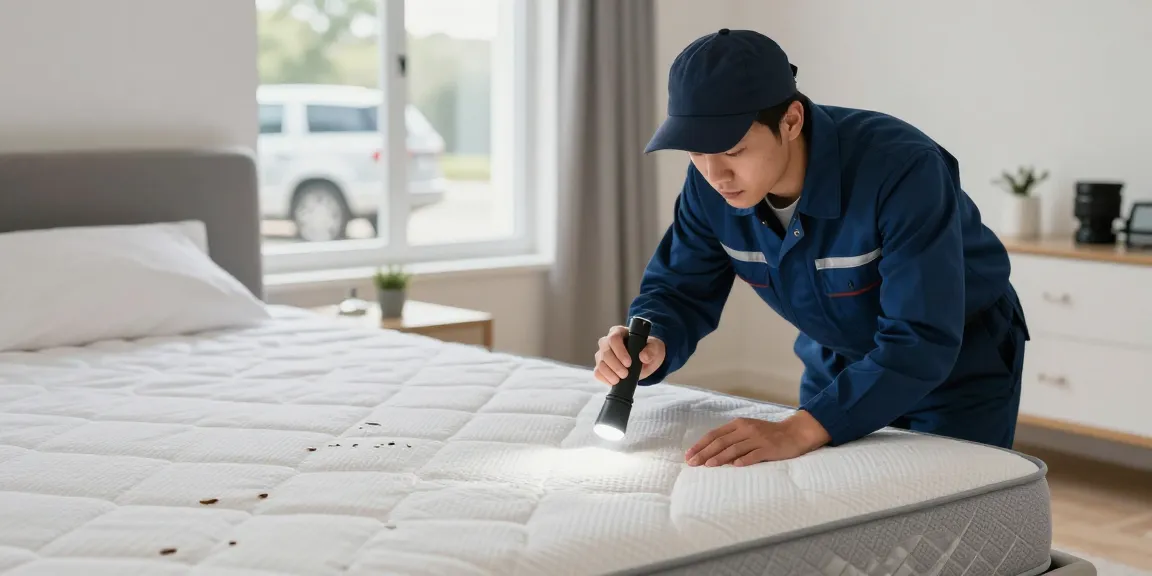
Understanding Bed Bugs and Their Behavior
Bed bugs are becoming an increasingly common pest in homes and businesses across the United States, leading to a surge in demand for effective bed bug pest control solutions. These small, reddish-brown insects are notorious for their ability to hide in plain sight and their resilience against common extermination methods. Understanding the biology and behavior of bed bugs is crucial for identifying infestations and implementing effective control measures. In this article, we’ll delve into what bed bugs are, how to recognize an infestation, and the most effective strategies for extermination.
What Are Bed Bugs?
Bed bugs, scientifically known as Cimex lectularius, are parasitic insects that feed exclusively on the blood of humans and other warm-blooded hosts. Adults are approximately 4 to 5 mm long, resembling an apple seed, and can live for several months without feeding. Their life cycle consists of several stages, including egg, nymph, and adult, with females capable of laying hundreds of eggs in their lifetime. This reproductive capacity contributes significantly to their rapid population growth, making timely extermination critical.
Signs of a Bed Bug Infestation
Identifying a bed bug infestation early is essential for effective treatment. Common signs include:
- Red welts or bites: Often arranged in a line or cluster on the skin.
- Blood stains: Small, dark spots on sheets or mattresses from crushed bed bugs.
- Dark spots: Excrement left behind by bed bugs, typically found in hiding spots.
- Musty odor: A sweet, musty smell caused by pheromones released by bed bugs.
If you observe any of these signs, it is essential to seek professional help, as bed bugs can multiply quickly.
Common Myths About Bed Bugs
Despite their prevalence, there are numerous misconceptions surrounding bed bugs and their control. For instance, many people believe that a dirty home is the primary cause of bed bug infestations. However, bed bugs can thrive in clean and cluttered environments alike, as long as there is a source of blood available. Another myth is that bed bugs can fly; in reality, they are wingless insects and rely on hitchhiking to travel from place to place. Understanding the facts can help homeowners take better preventative measures against these pests.
Effective Bed Bug Pest Control Strategies
When dealing with a bed bug problem, it is essential to consider several treatment options. For those searching for reliable solutions, bed bug pest control services provide comprehensive insights into effective treatment methods.
Heat Treatments: How They Work
Heat treatments are one of the most effective methods for eliminating bed bugs. This approach involves raising the temperature in infested areas to levels that are lethal to bed bugs and their eggs—typically above 118°F (48°C). The advantage of heat treatment is that it penetrates all materials, including walls and furniture, ensuring that even the most hidden bed bugs are affected. Additionally, heat treatments are eco-friendly, as they eliminate the need for hanging toxic pesticides in the home.
Chemical Spray Treatments Explained
Chemical treatments utilize commercial-grade insecticides to create a residual barrier that kills bed bugs upon contact. These products can remain effective for up to 120 days, preventing re-infestations. While chemical sprays are often the most convenient option, they require proper application to ensure safety and efficacy. The most effective treatment plans often combine chemical and heat methods for a comprehensive solution.
Integrated Pest Management Techniques
Integrated Pest Management (IPM) combines multiple strategies to manage pest populations while minimizing environmental impact. This method includes thorough inspections, educating homeowners on bed bug behavior, and implementing both chemical and non-chemical control strategies. Regular monitoring and proactive measures play a significant role in preventing re-infestations.
Choosing the Right Bed Bug Exterminator
Selecting a qualified exterminator can mean the difference between a successful and an unsuccessful bed bug treatment. It’s vital to choose a company that specializes in bed bug extermination and employs experienced, trained technicians.
What to Look for in a Pest Control Company
When searching for a pest control service, consider the following:
- Experience: The company should have extensive experience in exterminating bed bugs.
- Reputation: Look for customer reviews and testimonials to gauge service quality.
- Methods: Ensure they employ integrated pest management techniques and utilize both chemical and heat treatments.
- Guarantees: A reliable company should offer a satisfaction guarantee.
Questions to Ask Before Hiring
Before hiring a pest control service, ask the following questions:
- What methods do you use for bed bug extermination?
- How long will the treatment take, and do I need to vacate the premises?
- What precautions do you take to ensure the safety of my home and pets?
- Do you provide any follow-up services if the problem persists?
Importance of Customer Reviews and Feedback
Customer reviews provide valuable insights into the effectiveness and reliability of pest control services. Investigating feedback can help identify trends in service quality and effectiveness, allowing potential clients to make informed choices. Consider using reviews from independent platforms rather than just company websites to get a well-rounded perspective.
Preventing Future Infestations
Preventing future bed bug infestations is just as crucial as exterminating an existing problem. Being proactive can save time, money, and stress.
Regular Monitoring and Inspections
Frequent inspections can help catch bed bug infestations in their early stages. Homeowners should regularly check their sleeping areas, particularly seams of mattresses, bed frames, and any cracks in walls. If you suspect an infestation, prompt action is essential.
Best Practices for Bed Bug Prevention
To prevent bed bugs from entering your home, follow these best practices:
- Inspect second-hand furniture before bringing it home.
- Use protective mattress encasements to prevent bed bugs from infesting your bedding.
- Avoid placing luggage on beds or upholstered furniture when traveling.
- Be cautious when using shared laundry facilities.
Travel Tips to Avoid Bed Bugs
Travelers should take extra precautions to avoid bringing bed bugs home:
- Check hotel rooms for signs of bed bugs upon arrival.
- Keep luggage off the floor and use luggage racks.
- After returning home, wash all travel clothing in hot water and inspect luggage.
Case Studies: Success Stories in Bed Bug Extermination
Real-world examples of bed bug extermination highlight the importance of professional treatment and can provide hope for those struggling with infestations.
Real-World Results from Previous Clients
A notable case involved a multifamily apartment complex that had been battling bed bugs for months. After employing a comprehensive treatment plan that included both heat and chemical treatments, the infestation was eradicated, leading to a significant increase in tenant satisfaction.
Lessons Learned from Case Studies
These real-world experiences demonstrate that early intervention, comprehensive strategies, and professional guidance are key to effectively handling bed bug infestations. Listening to client feedback and adjusting treatment plans accordingly can enhance success rates.
Transformative Impacts of Professional Extermination
Many clients have reported not only relief from the pest itself but also restoration of peace of mind and improved quality of life after professional extermination services. The transformative impact of eliminating bed bugs should not be underestimated.
What Are the Common Questions About Bed Bug Treatments?
It’s common for homeowners to have questions about bed bug treatments. Understanding the answers can alleviate concerns and aid in making informed decisions about pest control.
Is DIY Bed Bug Treatment Effective?
DIY treatments may provide temporary relief but are generally ineffective for eliminating established infestations. Professional pest control combines effective methods that reach all life stages of the bed bug, ensuring comprehensive eradication.
How Long Does It Take to Get Rid of Bed Bugs?
The duration of bed bug treatment will vary based on the severity of the infestation. While heat treatments can take just a few hours, chemical treatments may require follow-up visits and extended monitoring.
What Safety Measures Should Be Considered?
Safety is a priority during bed bug treatments. Homeowners should follow the exterminator’s guidance regarding evacuating premises and keeping pets away from treated areas until it’s safe to return.
Can I Stay in My Home During Treatment?
For certain treatments, homeowners may be required to vacate the premises for a short time, especially during heat treatments. The exterminator will provide specific instructions based on the treatment plan.