Understanding Colonial Home Renovation
What is Colonial Home Renovation?
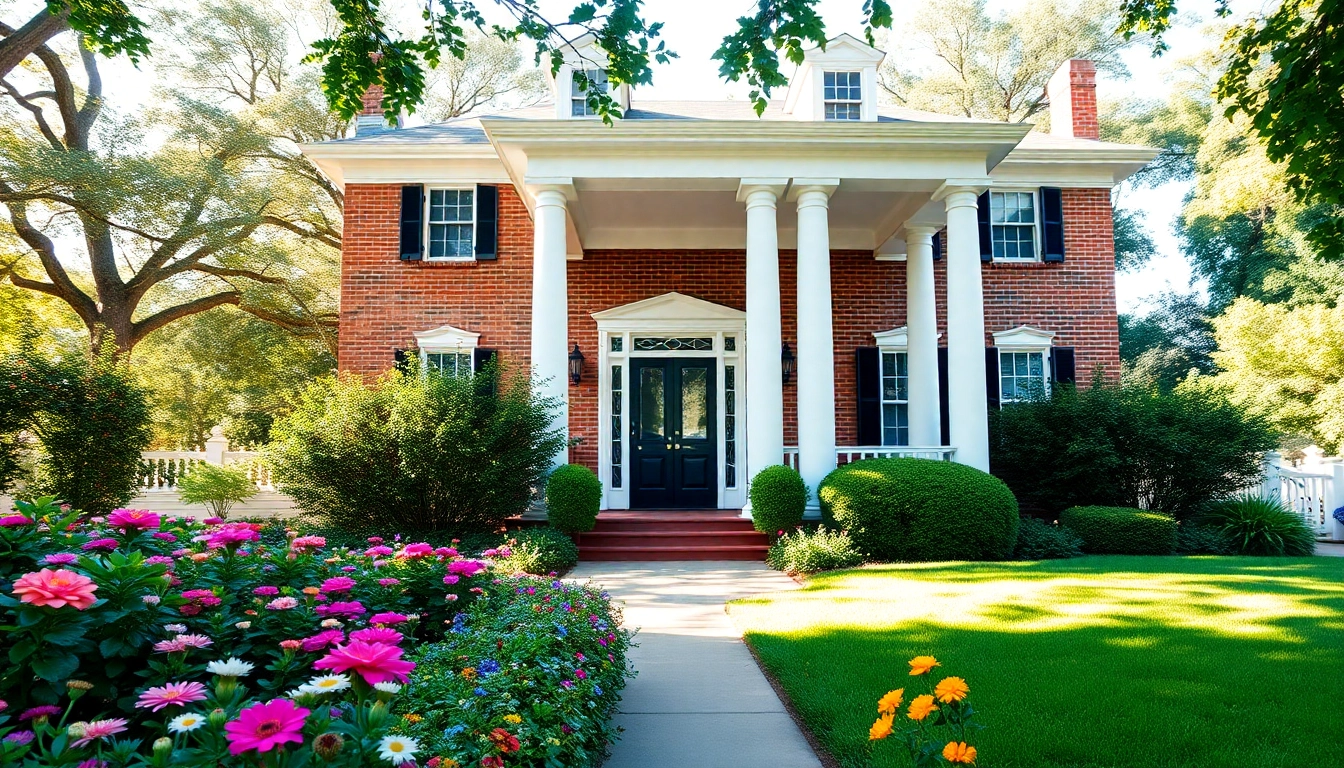
Colonial home renovation refers to the process of restoring, remodeling, or improving homes that exhibit Colonial architectural styles. These homes, characterized by their symmetry, rectangular shape, and classic elements like columns, dormer windows, and gabled roofs, often require specialized care during renovation to preserve their historical integrity. The goal of such renovations is to modernize the living space without compromising the home’s inherent character and charm. Homeowners engage in colonial home renovation to adapt these classic structures for contemporary living while maintaining their traditional aesthetics.
Historical Significance of Colonial Homes
Colonial homes hold deep historical significance, representing a pivotal era in American history. Rising prominently from the 1600s to the late 1700s, these homes embody the architectural influences of early European settlers, particularly the English, Dutch, Spanish, and French. Each region’s distinct colonial style, from the Cape Cod of New England to the Spanish Missions of the Southwest, tells a story of cultural assimilation and adaptation. Understanding the historical context not only enriches the renovation process but also ensures that restorations are authentic, thus preserving local heritage for future generations.
Benefits of Renovating Colonial Homes
Renovating a Colonial home offers numerous advantages. First, it enhances property value, given that these homes frequently attract buyers valuing historical significance and architectural beauty. Moreover, renovation allows homeowners to implement modern efficiencies—such as better insulation, updated plumbing, and energy-efficient windows—while maintaining the historical aesthetics that define Colonial architecture. Renovations can enhance comfort and functionality, transforming outdated layouts into livable spaces suitable for contemporary families without losing their unique charm.
Planning Your Colonial Home Renovation
Assessing Structural Integrity
Before embarking on a renovation, a comprehensive assessment of the home’s structural integrity is crucial. Experts recommend hiring a qualified home inspector or structural engineer familiar with Colonial architecture. They will evaluate the foundation, roof, and load-bearing walls, identifying any historical renovations that may have compromised the structure. Special attention should be paid to timber framing, common in these homes, which may have decayed over centuries. A thorough assessment not only ensures safety but also informs the scope and budget of the renovation project.
Setting a Realistic Budget
Establishing a budget is pivotal to any successful renovation. Begin by researching costs associated with materials, labor, permits, and potential unexpected expenses. It is wise to allocate an additional 10-20% of your total budget for unforeseen issues that may arise, especially in older homes. Engaging with contractors who have experience in Colonial renovations can provide reliable estimates and help with cost management. Maintaining a transparent line of communication throughout the project can also help stay within budget.
Finding the Right Professionals
Choosing the right professionals for your renovation project can significantly impact the outcome. It’s essential to find contractors, architects, and designers familiar with Colonial homes and their unique challenges. Start by seeking recommendations and reviewing portfolios of past projects. Verify credentials, licenses, and insurance coverage. An effective team will not only respect the architectural integrity of your home but also offer innovative solutions tailored to your vision while ensuring compliance with local building codes.
Design Tips for Colonial Home Renovation
Preserving Original Features
One of the defining traits of Colonial homes is their original features, such as crown molding, hardwood floors, and fireplaces. When renovating, it is vital to preserve these elements, as they embody the character and history of the property. If any original features have been damaged, consider restoration over replacement. For instance, refinishing original wood floors can enhance their appeal, and sourcing period-appropriate fixtures can provide authenticity to the space, allowing your home to celebrate its legacy.
Choosing Color Palettes
Selecting the right color palette is essential for capturing the essence of Colonial aesthetics. Traditional Colonial colors include muted tones—think soft whites, historical blues, and earthy greens. These colors not only reflect historical accuracy but also enhance the home’s architectural features. When choosing a palette, consider the exterior and interior harmonization to create a cohesive look that respects the home’s character while making it feel inviting. Sampling colors in different lights can also help identify the perfect shades before final application.
Modern vs. Classic Design Elements
Striking a balance between modern design elements and classic features is crucial in a Colonial renovation. While it is important to retain historical charm, incorporating modern conveniences like open-concept layouts or smart home technology can improve functionality. Thoughtfully blending these styles ensures the space remains practical for current lifestyles while honoring its historical significance. Integrate modern materials in subtle ways, such as using contemporary light fixtures alongside classic furniture, achieving an aesthetic that respects tradition while embracing innovation.
Eco-Friendly Options in Colonial Home Renovation
Energy-Efficient Upgrades
Renovating colonial homes presents a unique opportunity to enhance energy efficiency without sacrificing style. Start by upgrading insulation in walls and attics to reduce energy consumption significantly. Consider replacing old windows with energy-efficient models that match the original style, as modern technology offers options that enhance efficiency while preserving aesthetics. Incorporating solar panels discreetly aligned with the roofline can further reduce environmental impact, making the home sustainable for future generations.
Using Sustainable Materials
Incorporating sustainable materials into your renovation not only benefits the environment but also aligns with the principles of sustainable architecture. Focus on sourcing reclaimed wood for framing and flooring that echoes the original features while minimizing deforestation. Utilizing low-VOC paint enhances indoor air quality, making it safer for your family. Investing in sustainable materials reflects a commitment to environmental stewardship while upholding the integrity and history of your Colonial home.
Green Landscaping Solutions
Landscaping is an essential aspect of Colonial home renovation that complements the historical style while promoting eco-friendliness. Opt for native plants that require less water and maintenance, fostering a sustainable ecosystem around your home. Additionally, embracing xeriscaping principles can minimize water usage. Implementing permeable walkways and rain gardens can manage stormwater efficiently, protecting the foundation of your home while contributing positively to local flora and fauna.
FAQs on Colonial Home Renovation
What is the average cost of a colonial home renovation?
The average cost of a colonial home renovation varies widely based on scope and location. Expect costs ranging from $100 to $400 per square foot, but obtaining specific estimates from contractors is advisable.
How long does a typical colonial home renovation take?
Project timelines depend on the extent of renovations. A basic remodel may take 3-6 months, while extensive restorations can last up to a year or more, especially if significant structural work is required.
Can I do renovations myself?
While DIY renovations can save money, involving professionals for major structural or historical restorations is often best. This ensures adherence to building codes and preservation standards.
What permits are needed for renovations?
Permit requirements vary by location and project scope. Generally, permits are required for structural changes, plumbing, and electrical updates. Checking local regulations beforehand is essential.
How to choose a renovation contractor?
Select a renovation contractor by researching their experience with Colonial homes, checking references, and reviewing past project portfolios. Clear communication and understanding of your vision are crucial to a successful partnership.