Understanding Cape Cod Homes
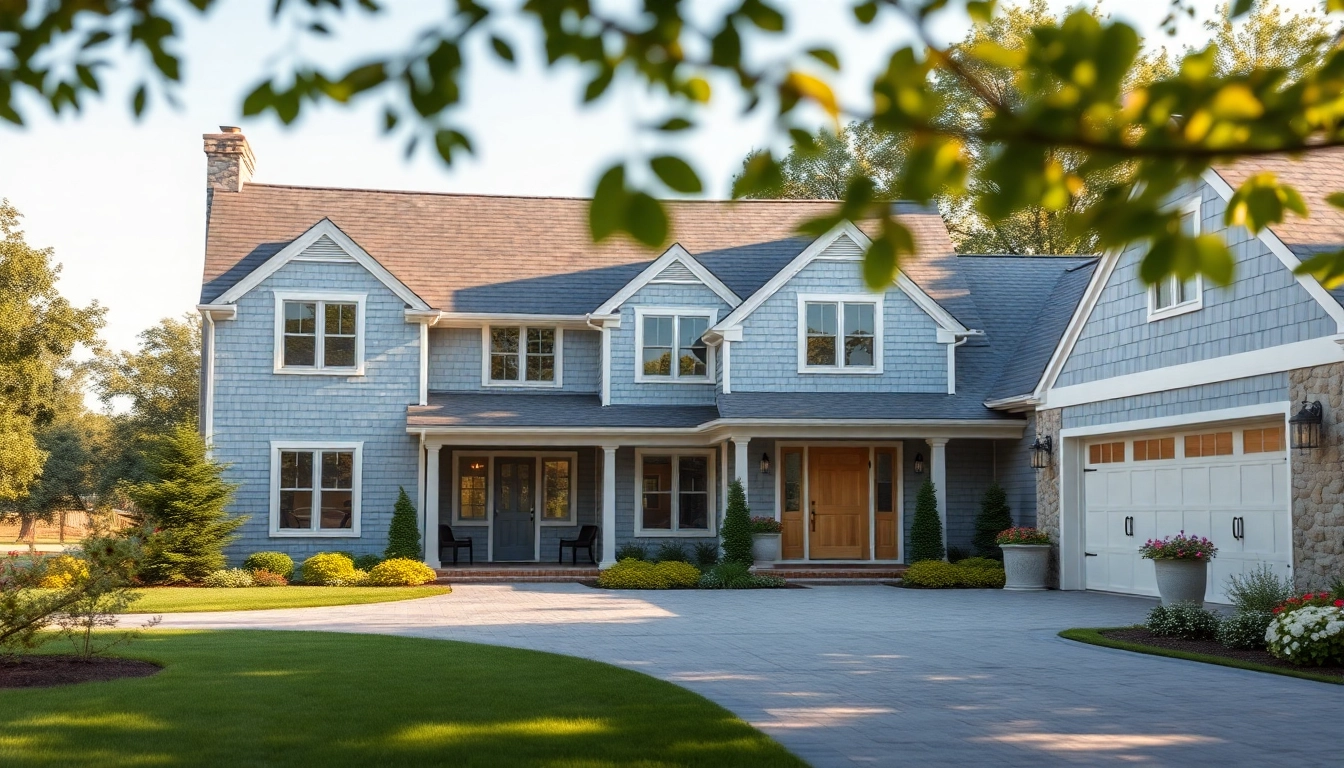
Cape Cod homes are a cherished part of American architectural history, known for their timeless aesthetic and practicality. Originating in the 17th century, these homes have evolved while retaining their characteristic charm. A clear example of simple, durable design, cape cod homes are typically one to one-and-a-half stories, with steep, pitched roofs, symmetrical façades, and dormer windows that add to their appeal.
Characteristics of Cape Cod Homes
Traditionally, Cape Cod homes feature a few distinctive traits that define their unique style:
- Gabled Roofs: The steep pitched roofs help to shed snow and rain, ensuring durability in harsh weather.
- Symmetry and Simplicity: These homes often have a balanced design with central doors flanked by evenly spaced windows.
- Use of Wood Siding: Typically clad in wood shingles painted in muted colors, the exterior helps blend with the natural surroundings.
- Dormer Windows: These features enhance vertical space and provide natural light, giving Cape Cod homes their signature look.
Historical Significance
The architectural style of Cape Cod homes emerged as a response to the local climate and available materials. Settlers drew inspiration from the cottages of East Anglia, England, adapting these designs to suit the rugged New England environment. Over the centuries, these homes became synonymous with coastal living and a relaxed, yet refined, lifestyle that attracts many homeowners seeking a touch of that history.
Modern Adaptations
While the classic structure of Cape Cod homes remains popular, modern interpretations bring in contemporary elements. Additions like open floor plans, energy-efficient materials, and smart home features cater to the needs of today’s homeowners while respecting the original design ethos. These adaptations ensure that Cape Cod homes continue to thrive in a modern context, blending old-world charm with new-world conveniences.
Benefits of Home Extensions
Whether you are looking to add an attached garage, expand your living space, or upgrade your home’s layout, home extensions present numerous benefits that can enhance the value and functionality of your Cape Cod home.
Increased Living Space
One of the primary advantages of home extensions is the creation of additional space. This increased footprint allows for larger family rooms, more bedrooms, or even dedicated home offices, accommodating the evolving needs of families. An effective extension can transform underutilized areas of your home into vibrant, livable spaces, ultimately improving quality of life.
Property Value Enhancement
Investing in home extensions can substantially boost the market value of your property. When executed thoughtfully, extensions make your home more appealing to potential buyers by offering enhanced aesthetics and functionality. Whether it’s adding an extra bedroom, expanding the kitchen, or including an attached garage, these upgrades can yield a significant return on investment in the long run.
Flexible Design Options
Home extensions provide homeowners with the opportunity to tailor their living spaces to meet personal needs. From open-concept layouts to distinct, multi-functional areas, the design possibilities are vast. Collaborating with an architect can help maximize both the aesthetic and practical aspects, ensuring that the extension complements your existing Cape Cod home while meeting modern standards.
Designing an Attached Garage
Having an attached garage is a common goal for many homeowners. Beyond being a practical necessity, a well-designed garage can add architectural interest to a property. When considering an attached garage, several factors come into play.
Functional Layout Considerations
A functional garage layout should consider traffic flow, storage solutions, and accessibility. Ensuring there’s sufficient space for vehicles, along with room for storage or a workshop, can maximize usability. Additionally, installing features such as cabinets and shelving can turn the garage into a well-organized area that serves multiple purposes.
Stylistic Harmony with Cape Cod Homes
For an attached garage to seamlessly blend with Cape Cod homes, it’s essential to maintain a cohesive architectural style. This entails using similar roofing, siding materials, and color palettes. Incorporating design elements like gabled roofs and dormers will further establish that harmony and ensure that the new structure feels like a complementary addition rather than an afterthought.
Building Regulations and Codes
Before commencing any construction, it’s critical to understand local building regulations and codes. Homeowners must acquire the necessary permits and ensure that their plans adhere to zoning restrictions. Consulting with a professional architect can help navigate the intricacies of these requirements and streamline the approval process, mitigating potential issues down the line.
Best Practices for Home Expansions
Successful home expansions require careful planning and execution. Adopting a strategic approach can enhance the overall experience and outcome of your project.
Engaging Professional Architects
Collaborating with professional architects is crucial to achieving a design that marries aesthetics with functionality. Experienced architects bring valuable insights into space utilization, flow, and compliance with regulations, making their involvement essential for successful outcomes. Choose an architect who understands Cape Cod architecture to ensure the new design fits the existing style.
Integrating Sustainable Practices
As environmental concerns continue to grow, sustainable building practices become increasingly significant in home expansions. Incorporating energy-efficient materials, like insulated windows and sustainably sourced wood, not only reduces energy costs but also minimizes the carbon footprint of the home. Choosing environmentally friendly practices showcases a commitment to sustainability while benefiting the environment.
Budgeting for Home Projects
Setting a realistic budget is fundamental to any home expansion project. Begin by evaluating construction costs, materials, and permits, while leaving room for unexpected expenses. Engaging a contractor early on can provide a clearer financial picture and help in establishing cost-effective solutions that don’t compromise the vision of your home extension.
FAQs About Cape Cod Home Extensions
What is a Cape Cod home?
A Cape Cod home is a style of house characterized by its steep gabled roof, symmetrical façade, and dormer windows. They originated in colonial America and are known for their simplicity and durability.
How can I increase my property’s value?
Enhancing property value can be achieved through quality renovations, such as updating kitchens and bathrooms, adding living space, or smart landscape design. Properly planning expensive guesswork is crucial.
Are home extensions worth the investment?
Yes, well-planned home extensions typically enhance both living space and property value, making them a worthwhile investment for homeowners looking to improve their homes.
What permits are needed for a garage?
Permits vary based on location but generally include building permits and zoning permits. It’s essential to check local regulations to ensure compliance.
How do I maintain the aesthetic of Cape Cod homes?
To preserve the aesthetic, use traditional materials, such as wood siding, and timeless color palettes. Align any additions with the original structure’s architectural style and scale.